FICTION: Maximum Worldwide Alert — The Day the World Held Its Breath
At exactly 4:17 a.m. UTC, the first emergency notification appeared on millions of phones around the globe.
“Maximum Worldwide Alert. Remain Calm. Await Further Instructions.”
Within seconds, social media erupted. Television networks interrupted regular programming, airports paused departures, and government officials hurried into emergency command centers. No one knew exactly what had happened, only that something significant was unfolding.
In capitals around the world, lights flickered on inside government buildings long before sunrise. Military commanders received encrypted messages. Diplomats canceled public appearances and rushed into secure meetings. News anchors struggled to verify conflicting reports while viewers watched with growing anxiety.
Rumors spread faster than facts.
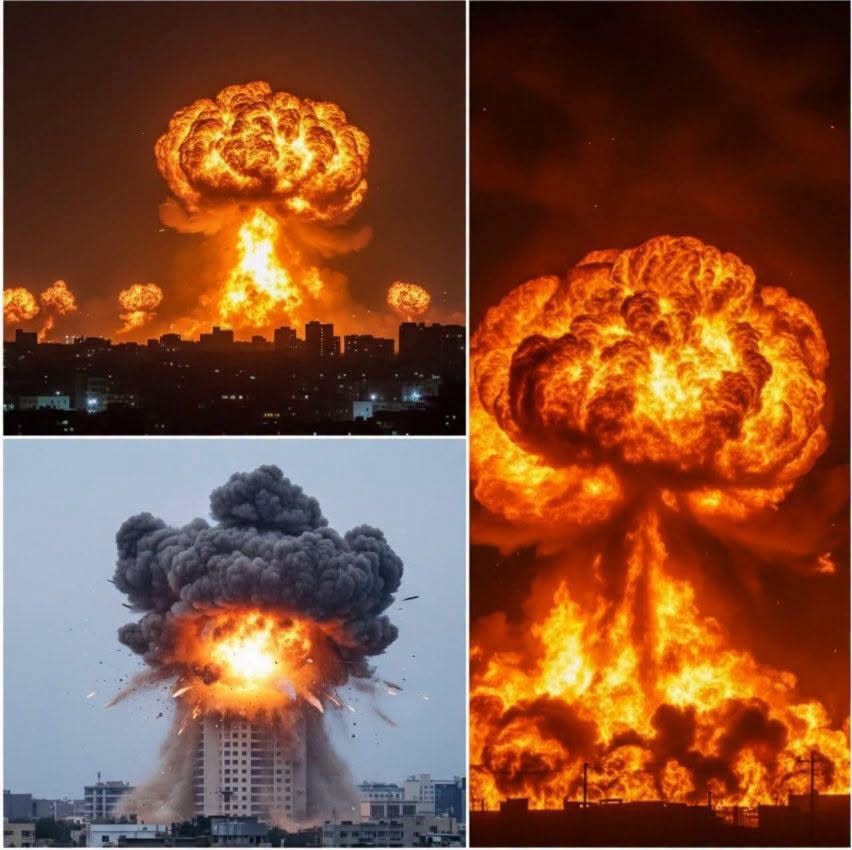
Some claimed fleets of warships had changed course overnight. Others insisted that military aircraft had been detected near disputed borders. Grainy videos appeared online, each claiming to show explosions or troop movements, though none could be independently verified.
As the hours passed, world leaders urged calm.
“The situation is evolving,” one spokesperson announced during a brief televised address. “We ask citizens to rely on official information and avoid spreading unverified reports.”
Despite those reassurances, uncertainty fueled speculation.
Financial markets reacted immediately. Commodity prices climbed, shipping companies delayed departures, and airlines began rerouting flights away from regions considered potentially unstable. Families called relatives overseas, hoping to hear familiar voices and learn that everything was still normal.
Inside the fictional Global Crisis Coordination Center, analysts monitored dozens of information streams simultaneously. Satellites scanned coastlines. Intelligence officers reviewed surveillance imagery. Cybersecurity teams defended against waves of digital attacks targeting communication networks and public infrastructure.
The greatest challenge was separating fact from fiction.
Every minute brought thousands of new online posts claiming exclusive information. Some videos were years old, recycled from previous conflicts. Others had been digitally altered to appear authentic. Investigators worked tirelessly to identify credible evidence before advising decision-makers.
Meanwhile, humanitarian organizations quietly prepared for the possibility that civilians might require assistance. Emergency supplies were moved into regional warehouses, medical teams were placed on standby, and logistics experts developed contingency plans for delivering aid should conditions deteriorate.
In cities far from the fictional crisis, life continued—but cautiously. Grocery stores experienced longer lines as people purchased extra food, bottled water, batteries, and first-aid supplies. Schools reviewed emergency procedures, while employers reassured workers that business continuity plans were ready if needed.
Throughout the day, diplomats maintained constant communication. Secure video conferences connected leaders across multiple continents as negotiators searched for opportunities to reduce tensions before misunderstandings could escalate into something far more dangerous.
Military analysts repeatedly reminded reporters that heightened readiness does not necessarily mean conflict is inevitable. Defensive measures are often taken during periods of uncertainty to prevent accidents and maintain stability.
As evening approached, one encouraging development emerged. Representatives from several nations agreed to participate in an emergency summit aimed at easing tensions through dialogue rather than confrontation. Although no immediate breakthrough was announced, observers described the willingness to meet as a positive sign.
Citizens around the world watched every update with anticipation. Parents hugged their children a little tighter. Friends exchanged hopeful messages. Communities gathered to support one another, reminding themselves that cooperation is strongest during uncertain times.
By midnight, the immediate fears of a rapidly escalating crisis had begun to ease. While many questions remained unanswered, officials confirmed that diplomatic communication channels were still active and that efforts to preserve peace continued around the clock.
The fictional events of this story illustrate an important truth: in moments of global uncertainty, accurate information, careful leadership, and international cooperation matter far more than sensational headlines. Rumors may travel quickly, but patience, verification, and dialogue remain the strongest tools for preventing fear from becoming panic.
As dawn broke the following morning, the world had not returned completely to normal—but it had taken one more step away from the brink. And for millions watching from every corner of the globe, that alone was reason for hope.