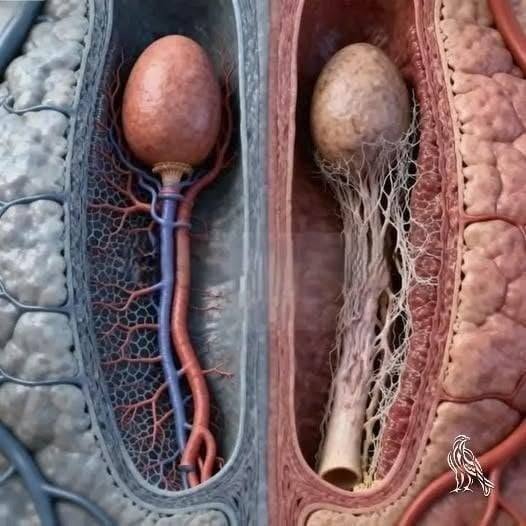
Did You Know That Older Men Have the Pe…? Here’s What Actually Changes With Age… See More
Aging affects nearly every part of the human body, and sexual health is no exception.
As men grow older, changes in hormones, circulation, nerves, medications, and general health can influence sexual function. Some changes are completely normal, while others may be signs of a condition that deserves medical attention.
That is why conversations about sexual health in older men should focus on facts rather than embarrassment or myths.
Testosterone Changes With Age
Testosterone is an important hormone involved in sexual desire, muscle mass, bone health, mood, and other functions.
Testosterone levels generally decline gradually as men age. However, the amount of change varies considerably from person to person.
Getting older does not automatically mean that a man will lose interest in sex or become incapable of sexual activity.
Lifestyle, sleep, body composition, medications, chronic illnesses, stress, and other factors can influence hormone levels and sexual desire.
A man experiencing a significant change in libido shouldn’t simply assume that age is responsible.
Erections Can Become More Difficult
One of the most noticeable changes some older men experience is erectile dysfunction, or ED.
ED refers to difficulty getting or maintaining an erection sufficient for sexual activity.
It becomes more common with age, but it is not considered an inevitable part of aging.
Healthy blood vessels are important for erections because sexual arousal involves increased blood flow to penile tissue.
Conditions that affect circulation—such as cardiovascular disease, high blood pressure, diabetes, and high cholesterol—can therefore contribute to erectile difficulties.
Smoking and excessive alcohol consumption can also negatively affect sexual function.
Erectile Dysfunction Can Be a Health Warning
An important point that is sometimes overlooked is that ED can occasionally be an early indicator of cardiovascular problems.
The blood vessels involved in erections are relatively small. Problems with vascular health may therefore become noticeable sexually before other cardiovascular symptoms appear.
That doesn’t mean every episode of erectile difficulty indicates heart disease.
Stress, anxiety, medication side effects, relationship problems, fatigue, and many other factors can cause temporary difficulties.
But persistent or worsening ED is worth discussing with a healthcare professional.
Sexual Desire Doesn’t Have an Expiration Date
One common misconception is that older men automatically lose their interest in intimacy.
That’s not true.
People can remain sexually interested throughout adulthood.
The frequency and type of sexual activity may change, but desire itself doesn’t have a fixed expiration date.
Some men report that intimacy becomes more emotionally meaningful as they grow older.
Without the pressures associated with younger adulthood, couples may have more freedom to communicate openly about preferences, comfort, health, and expectations.
Medications Can Play a Role
Older adults are more likely to take medications for conditions such as high blood pressure, depression, heart disease, or prostate problems.
Some medications can affect sexual desire or erectile function.
If a noticeable change occurs after starting or changing a medication, a doctor can determine whether the medicine may be contributing.
Importantly, people shouldn’t stop prescribed medication on their own.
A healthcare professional can sometimes adjust the dose, change the medication, or recommend another approach.
Prostate Health Matters
The prostate also becomes an important part of men’s health as they age.
Benign prostatic hyperplasia, commonly known as an enlarged prostate, becomes increasingly common in older men.
It can cause urinary symptoms such as frequent urination, difficulty starting urination, a weak stream, or waking repeatedly during the night.
Prostate conditions can sometimes affect sexual well-being as well.
Regular medical care allows potential problems to be evaluated rather than ignored.
Lifestyle Can Make a Difference
Healthy habits can support sexual health at almost any age.
Regular physical activity helps maintain cardiovascular fitness and circulation.
A balanced diet supports heart and metabolic health.
Maintaining a healthy weight can reduce the risk of conditions associated with erectile dysfunction.
Avoiding tobacco is particularly important because smoking damages blood vessels.
Limiting excessive alcohol consumption can also help.
Sleep deserves attention too. Poor sleep can contribute to fatigue, reduced libido, mood changes, and hormonal problems.
In other words, sexual health is closely connected to overall health.
Mental Health Matters Too
Sexual function isn’t controlled only by the body.
The brain plays a major role.
Stress, depression, anxiety, relationship difficulties, grief, and concerns about aging can all influence sexual desire and performance.
Sometimes a man experiences an erection problem and becomes anxious about it happening again.
That anxiety itself can make future sexual encounters more difficult.
Breaking that cycle may require communication with a partner, counseling, stress management, or medical evaluation.
There is no shame in seeking help.
Treatments Are Available
Men experiencing persistent sexual difficulties have several possible treatment options.
Depending on the underlying cause, a healthcare professional may recommend lifestyle changes, counseling, medication, treatment for an underlying medical condition, or other therapies.
Common prescription treatments for ED include medications known as PDE5 inhibitors.
These medications aren’t appropriate for everyone, particularly people taking certain heart medications such as nitrates, so medical guidance is important.
The right treatment depends on the individual’s health and the cause of the problem.
Aging Doesn’t Mean Giving Up Intimacy
Perhaps the most important message is simple: getting older does not mean sexual health has to disappear.
Bodies change.
Hormones change.
Medical conditions become more common.
But intimacy can remain an important part of life.
Older couples may simply need to adapt to physical changes and communicate more openly.
For some people, intimacy may become less focused on performance and more focused on affection, connection, comfort, and mutual enjoyment.
That’s not a failure.
It’s simply another stage of life.
The Bigger Picture
A provocative headline may encourage people to click, but the real story about aging and men’s sexual health is much more interesting.
There is no single change that happens to every older man.
Some experience little difference in sexual function.
Others experience changes in desire or erections.
Many factors—not age alone—determine what happens.
The best approach is to treat persistent changes as health information rather than something embarrassing.
If an older man notices a significant or ongoing change in sexual function, talking with a healthcare professional can help identify the cause.
Sometimes the explanation is simple.
Sometimes an underlying condition needs treatment.
And sometimes reassurance is all that’s necessary.
Growing older changes the body, but it doesn’t erase the capacity for intimacy, affection, attraction, or sexual well-being.
The key is understanding those changes, taking care of overall health, and getting appropriate medical advice when something doesn’t feel right.