Washington, D.C., Infant’s Death: Man Charged After Prosecutors Say He Blamed Autistic Son
A Washington, D.C., man has been charged in connection with the death of his girlfriend’s two-month-old daughter after investigators alleged that he tried to blame the infant’s fatal injuries on his six-year-old autistic son.
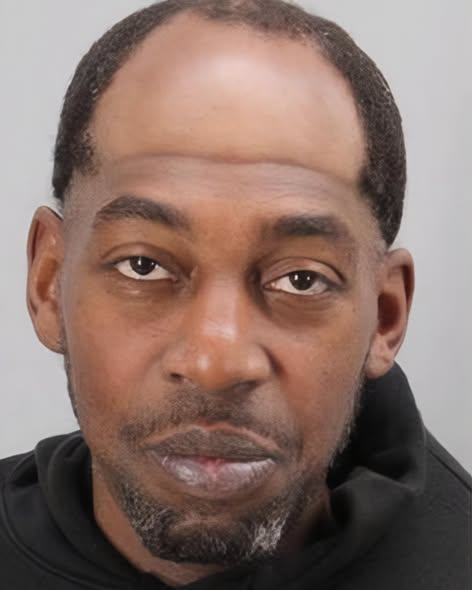
Demetrius Beatty, 40, faces charges of first-degree felony murder and first-degree cruelty to children in the death of Khamyah Honesty. Authorities say the infant was injured while in his care on August 16, 2026, at a residence in Southeast Washington. Beatty was arrested on September 16 and appeared in court the following day. A judge ordered him held without bond while the case proceeds. He is presumed innocent unless proven guilty beyond a reasonable doubt.
According to the U.S. Attorney’s Office for the District of Columbia, officers responded that evening to a report of an unconscious infant at an apartment in the 800 block of New Jersey Avenue Southeast. They found the girl unresponsive and suffering from blunt-force injuries. Emergency responders took her to a hospital, where she later died.
The Metropolitan Police Department said the Office of the Chief Medical Examiner ruled on August 18 that the cause of death was blunt-force trauma and the manner of death was homicide. Khamyah was identified as a two-month-old child from Southeast Washington.
The criminal complaint and accounts of court proceedings describe a disturbing sequence of events. Prosecutors allege that Beatty was left alone with the infant and her twin sister, along with three other children, while the twins’ mother was away. Investigators say that when Beatty called for help, he suggested that his six-year-old son had attacked the baby.
Reports quoting the 911 call say Beatty told the dispatcher that his autistic son had gotten to the infant and was fighting with her, leaving her badly hurt. Authorities allege that the explanation did not fit the medical evidence. A forensic pathologist reportedly found multiple serious fractures and other injuries, including trauma to the head and beneath the chin. Prosecutors say the pattern and severity of the injuries were inconsistent with an attack by a young child.
Investigators also reportedly say Beatty offered different accounts of what happened. In some versions, he claimed he was elsewhere in the residence or that another child had tossed the baby. Those varying explanations are among the circumstances prosecutors are relying on as the case moves forward. The allegations have not yet been tested at trial.
The motive described by prosecutors centers on jealousy and resentment. According to reporting based on court documents, the twins were fathered by another man, and Beatty allegedly resented that fact. Prosecutors say he had made threats about harming the children before the fatal incident. The twins’ mother reportedly told authorities that Beatty had threatened to kill the children if she left them in his care. Such statements, if established, could become important evidence about his state of mind and the events leading up to the infant’s death.
Authorities have also described troubling conditions in the home and concerns involving the other children. Reports say the family’s surviving children were removed from the residence and placed under the care of child-welfare authorities following the incident. Investigators are examining the broader circumstances, including whether warning signs of abuse had been reported before Khamyah died.
The accusation against Beatty’s six-year-old son adds another serious dimension. Autism is a developmental condition, and autistic children have varied communication styles, support needs, and abilities. The fact that a child is autistic or nonverbal does not establish that the child committed an act of violence. In this case, prosecutors say medical findings contradicted the allegation against the boy. The legal process will examine the evidence, but the accusation itself should not be treated as proof of wrongdoing by the child.
Beatty’s defense has reportedly challenged the prosecution’s account and argued for his release under strict conditions. Reports indicate that defense attorneys pointed to his call for emergency assistance and disputed aspects of the allegations. Those arguments will be considered through the court process. At this stage, the charges represent the government’s claims, not a conviction.
The U.S. Attorney’s Office announced the charges on September 17. The department said the matter is being investigated by the Metropolitan Police Department’s Special Victims Unit. A preliminary hearing is scheduled for September 28, 2026, before a judge in D.C. Superior Court. At that hearing, the court will consider the next steps in the proceedings.
First-degree felony murder and first-degree cruelty to children are serious charges. The prosecution will need to present admissible evidence supporting the allegations, while the defense has the right to challenge witnesses, evidence, and the government’s interpretation of events. Any eventual determination of guilt must be made through the legal system under the required standard of proof.
For Khamyah’s family, the court process cannot undo the loss of a very young child. Her name and the circumstances of her death have become central to a case that also involves the welfare of her twin sister and other children in the household. Authorities have not publicly resolved every question about what occurred, and the investigation may develop as additional records and testimony are examined.
The case also highlights the importance of taking threats or reports of possible child abuse seriously. Anyone who believes a child faces immediate danger should contact emergency services. Concerns that do not present an immediate emergency can be reported to the relevant child-protection agency or law-enforcement authority. Medical professionals and trusted adults may also be able to help connect families with appropriate support.
For now, the key facts are that Khamyah Honesty died after sustaining blunt-force injuries, authorities classified her death as a homicide, and Demetrius Beatty has been charged. Prosecutors allege that he inflicted the injuries and attempted to shift blame onto a young child. Beatty has not been convicted, and the allegations must be assessed in court.
As the case proceeds, investigators and prosecutors will be expected to establish what happened inside the residence, how the infant received her injuries, and whether the statements attributed to Beatty are supported by reliable evidence. The September 28 hearing will mark another step in that process. Until the evidence is tested and a court reaches a conclusion, the legal presumption of innocence remains in place, even as the death of a two-month-old girl leaves her family and community grieving.
A hearing may clarify outstanding questions.