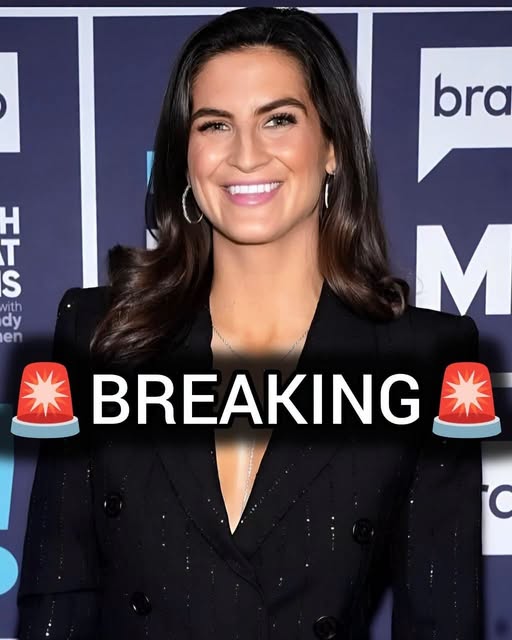
CNN Barred From White House as Trump Escalates Fight With Major News Outlets
……… See More
A major confrontation between the Trump administration and several prominent news organizations intensified this week after President Donald Trump announced that CNN, MS NOW, and Politico would be barred from the White House.
The decision quickly became a major political and media story, with supporters and critics interpreting the move in sharply different ways. Some Trump supporters celebrated the announcement online, viewing it as a response to what they consider unfavorable or inaccurate coverage of the administration. Meanwhile, the affected news organizations and press-freedom advocates argued that excluding journalists from the White House raises serious constitutional and press-access questions.
The situation became more concrete on Saturday, September 19, when journalists from the three organizations arrived at the White House and were denied entry. Their press credentials were reportedly deactivated or confiscated. Reuters confirmed that CNN, MS NOW, and Politico journalists were turned away after Trump’s announcement, with all three organizations indicating that they could challenge the decision.
The controversy began with Trump’s announcement the previous day. He accused CNN, MS NOW, and Politico of repeatedly publishing what he described as “fake news” and said the organizations would no longer have access to the White House grounds. He also suggested that additional media organizations could face similar treatment.
For the administration, the decision represents another chapter in Trump’s long-running conflict with news organizations whose coverage he considers hostile or unfair. Trump has repeatedly criticized major media outlets throughout his political career, arguing that some organizations misrepresent his policies and actions.
The latest decision, however, goes beyond criticizing coverage. By preventing reporters from entering the White House complex, the administration has directly affected their physical access to the center of the federal government.
That distinction is at the heart of the controversy.
CNN White House reporter Betsy Klein was among the journalists denied entry. Reports said her White House press pass was seized or disabled. Politico reporter Cheyenne Haslett and MS NOW correspondent Akayla Gardner also reported being turned away.
The White House action immediately drew criticism from press organizations and First Amendment advocates. They argued that government officials should not determine which journalists receive access based on whether they approve of the journalists’ coverage.
The affected organizations have also defended their right to continue reporting. CNN said its journalists would continue covering the federal government regardless of restrictions on physical access, while the organizations indicated that legal action could follow.
The First Amendment protects freedom of speech and freedom of the press, but the precise legal questions surrounding physical access to government facilities can be complicated. White House press access involves security considerations, limited space, credentialing procedures, and longstanding traditions governing how journalists cover presidents.
That makes the dispute more complicated than simply asking whether a particular news organization agrees with the administration.
The White House is a working government facility as well as the president’s official residence. Journalists covering the president depend on access to briefings, events, interviews, and other official activities. Restrictions can therefore affect how reporters gather information and how quickly they can question government officials.
At the same time, the administration maintains that it has legitimate reasons for controlling access to its facilities and has emphasized its concerns about media coverage.
The disagreement is now moving toward a broader question: how should a presidential administration respond when it believes a news organization is providing inaccurate or unfair coverage?
Supporters of Trump’s decision argue that presidents should not be required to provide unrestricted access to organizations they believe repeatedly misrepresent their actions. Critics argue that allowing government officials to exclude journalists because of unfavorable coverage could create a precedent that affects press freedom regardless of which political party controls the White House.
The issue therefore extends beyond CNN.
If access to the White House can be restricted because of editorial coverage, the consequences could potentially affect many other news organizations in the future. Trump’s announcement itself suggested that additional outlets could be targeted.
The controversy is also unfolding in an increasingly polarized media environment. Americans increasingly receive political information from a mixture of television networks, newspapers, online publications, social-media platforms, podcasts, and independent commentators.
Supporters of different political movements often have sharply different views about which sources they consider credible. Consequently, a government decision involving a major news organization can become both a constitutional dispute and a cultural flashpoint.
That helps explain why social media reactions have been so intense.
Some Americans have celebrated the action, while others have condemned it. Claims that “thousands” or “Americans” broadly support or oppose the ban should be treated cautiously unless backed by representative polling. Viral posts and social-media comments can demonstrate that particular groups are reacting strongly, but they do not necessarily measure public opinion across the country.
The documented facts are clearer.
Trump announced the ban. CNN, MS NOW, and Politico journalists were subsequently denied entry to the White House. Their credentials were disabled or confiscated, according to the organizations and multiple news reports. The outlets have indicated that they intend to defend their ability to report, potentially through legal action.
The White House dispute also recalls earlier conflicts between Trump and the press. During his first administration, there were several high-profile disputes involving reporters’ access and press credentials. In his current administration, conflicts with major media organizations have again become a recurring feature of political coverage.
The latest development could therefore become an important test of the boundaries between presidential authority, media access, and constitutional protections.
For ordinary Americans, the practical issue is larger than whether they personally like CNN, MS NOW, Politico, or any other news organization. The broader question concerns how the public receives information about government decisions.
A free press does not mean every news organization is automatically correct. Journalists can make mistakes, publish incomplete stories, or face legitimate criticism. News organizations can and should be challenged when reporting is inaccurate.
But disputes over journalism also raise questions about who should decide which reporters are allowed to question government officials.
As the controversy develops, courts and legal authorities may ultimately have a role in determining whether the administration’s actions comply with constitutional protections and established rules governing White House press access.
For now, the ban has already changed the working environment for reporters from three major organizations. CNN, MS NOW, and Politico have been physically blocked from the White House, while their journalists continue reporting from outside the complex and through other channels.
The episode demonstrates how quickly a dispute over media coverage can develop into a much broader conflict involving presidential authority, journalism, and constitutional rights.
Rather than simply being a story about one television network, the White House ban has become part of a larger national debate about the relationship between political power and the press—and about how Americans should evaluate competing claims from government officials, journalists, and the public itself.