Death Toll Rises to 67 as Spain Responds to Ceuta Migration Crisis
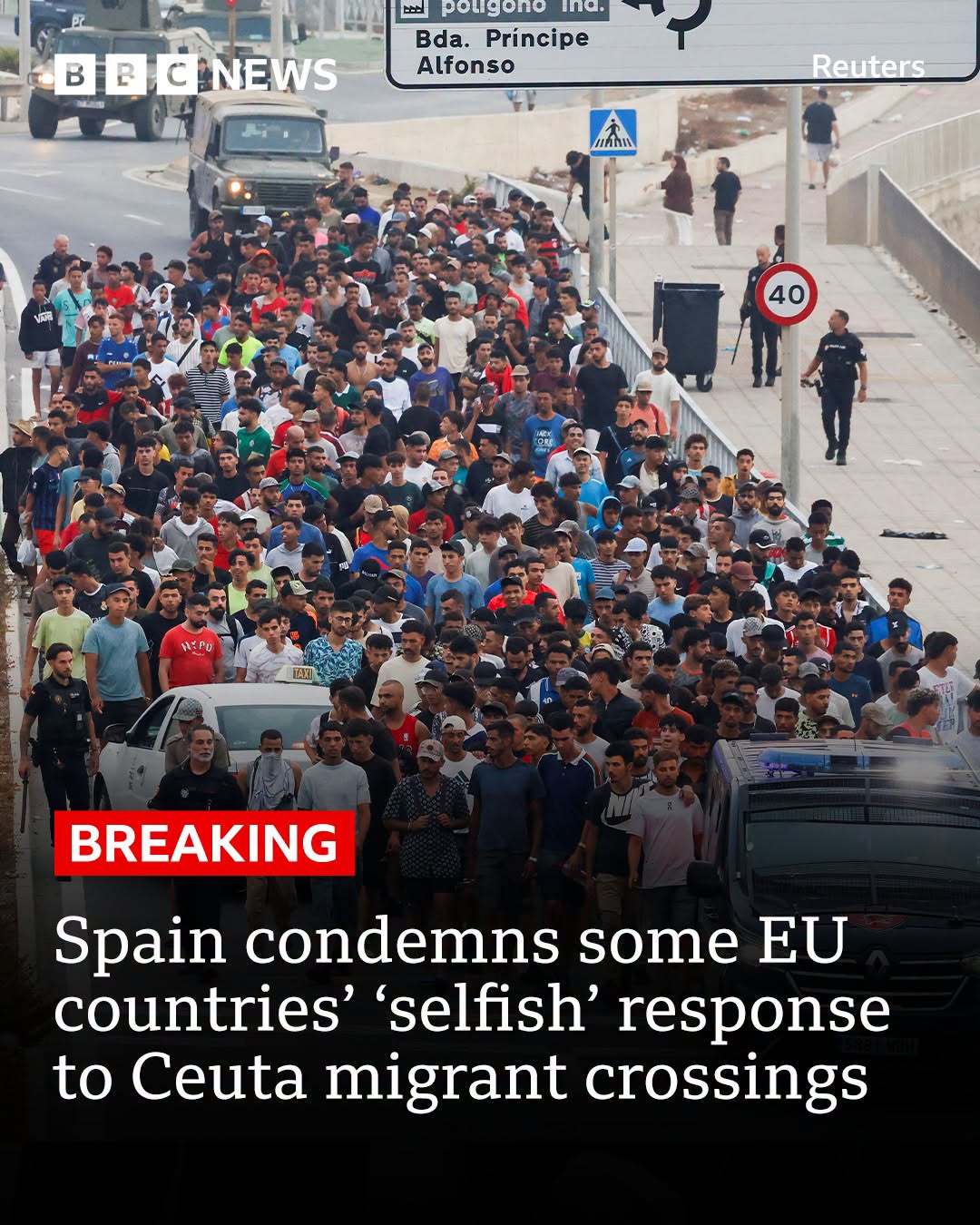
Ceuta, Spain — Spanish authorities say that nearly all of the migrants who entered the Spanish enclave of Ceuta on July 30 have now returned to Morocco, as officials continue responding to one of the largest sudden migration incidents in the country’s recent history. At the same time, Spain’s Interior Minister, Fernando Grande-Marlaska, confirmed on Saturday that the death toll linked to the crisis had risen to 67, underscoring the human cost of the unprecedented event.
The crisis unfolded when tens of thousands of people crossed into Ceuta, a Spanish territory on the northern coast of Africa that shares a land border with Morocco. The sudden influx overwhelmed local authorities, emergency responders, and border security personnel, prompting Spain to deploy additional police and military resources to stabilize the situation.
Spanish officials said that the vast majority of those who crossed into the enclave have since voluntarily returned to Morocco or been processed through coordinated return procedures. According to the Interior Ministry, more than 48,000 people had left Ceuta within two days of the mass crossing, easing immediate pressure on local services and allowing authorities to regain control of the situation.
Despite the reduction in the number of migrants remaining in the enclave, the humanitarian consequences continue to draw attention. Interior Minister Fernando Grande-Marlaska announced that the confirmed death toll had increased to 67. Authorities said many of the deaths occurred during dangerous attempts to reach Spanish territory by sea or amid chaotic conditions at border crossings. Rescue teams continued searching coastal areas while medical personnel treated survivors suffering from exhaustion, dehydration, and injuries.
Emergency workers described the operation as one of the most challenging migration responses Spain has faced in years. Police officers, firefighters, medical personnel, and humanitarian organizations worked around the clock to provide food, water, temporary shelter, and medical care to thousands of people arriving over a short period.
Ceuta, home to roughly 85,000 residents, has long represented one of Europe’s external borders. Because it is Spanish territory, it also forms part of the European Union’s frontier with North Africa. For decades, the enclave has experienced periods of heightened migration pressure, but the scale and speed of the July 30 crossings were exceptional.
Spanish Prime Minister Pedro Sánchez has described the incident as a serious challenge to Spain’s border security and called for greater European cooperation in responding to migration crises. The Spanish government has emphasized that restoring order while protecting human life remains its top priority.
The events have also prompted political debate across Europe. Several European governments expressed concern over the sudden movement of migrants and called for stronger coordination to protect the European Union’s external borders. An emergency meeting of EU interior ministers has been scheduled to discuss the crisis, possible reforms to border management, and future cooperation between member states.
In response to the incident, Spain has strengthened security measures around Ceuta, including the installation of a floating maritime barrier intended to discourage dangerous sea crossings while allowing rescue vessels to operate safely. Officials stressed that the measure is designed to improve border management and reduce the risk of further loss of life.
Authorities continue investigating the factors that led to the sudden surge in crossings. Spanish officials have suggested that criminal smuggling networks and misinformation contributed to the movement of large numbers of people toward the border, while migration experts note that economic hardship, regional instability, and long-standing migration pressures also play important roles.
Humanitarian organizations have called for continued assistance for those affected by the crisis. Aid workers say many migrants undertook dangerous journeys under difficult conditions and require medical attention, psychological support, and access to basic necessities before returning home or entering legal immigration procedures.
Residents of Ceuta have described scenes of both uncertainty and solidarity. Volunteers joined emergency workers in distributing water, food, clothing, and blankets, while local authorities worked to reopen schools, businesses, and public services after the initial influx disrupted daily life.
Although the number of migrants remaining in Ceuta has fallen dramatically, officials say the broader challenges surrounding migration in the western Mediterranean remain unresolved. Spain and its European partners are expected to continue discussions on border security, humanitarian protection, and international cooperation aimed at preventing similar crises in the future.
As investigations continue and authorities assess the events surrounding the July 30 crossings, the rising death toll serves as a reminder of the dangers faced by people attempting irregular migration. Spanish officials have pledged to strengthen rescue capabilities, improve coordination with neighboring countries, and work with European partners to address both the immediate humanitarian needs and the longer-term factors contributing to migration across the region.