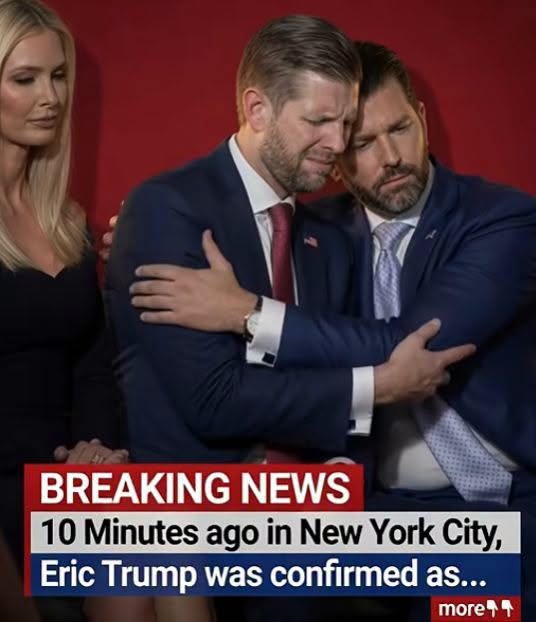
FICTION: Breaking News in New York
The following story is entirely fictional. It is not based on real events or real news.
The afternoon skyline of New York City shimmered beneath a warm summer sun as thousands of people moved through Midtown Manhattan. Office workers hurried between meetings, tourists crowded famous landmarks, and television crews prepared for another ordinary day of reporting. Nothing suggested that the next hour would become one of the most confusing afternoons the city had experienced in years.
It began with a single social media post claiming that a prominent businessman and political figure had been involved in a major incident while attending a private event. Within minutes, similar posts appeared across multiple platforms, each adding new details that seemed more dramatic than the last. Some claimed law enforcement had sealed off several streets, while others insisted helicopters were circling overhead because of an unfolding emergency.
As online speculation intensified, newsrooms across the city activated their breaking news teams. Producers instructed reporters to verify every claim before publishing a single headline. Veteran journalists understood that during rapidly developing situations, misinformation often spread faster than verified facts.
Outside a downtown office building, curious pedestrians gathered behind temporary police barricades. Officers calmly directed traffic while emergency vehicles moved through nearby intersections. Although the increased police presence attracted attention, officials declined to comment until they had gathered accurate information.
Television cameras broadcast live images of the scene as anchors repeatedly reminded viewers that very little had been confirmed. Reporters interviewed witnesses who described seeing emergency responders arrive quickly but admitted they did not know why.
One witness explained that several police vehicles appeared within minutes, followed by ambulances and firefighters. Another said the response seemed organized rather than chaotic, suggesting authorities were acting out of caution rather than reacting to an immediate crisis.
Meanwhile, online discussion exploded. Hashtags climbed to the top of trending lists as millions of users debated what might have happened. Some accounts claimed to possess inside information, while others shared old videos from unrelated events, presenting them as if they had been recorded that afternoon.
Digital investigators working for several media organizations quickly noticed inconsistencies. The lighting in some viral videos did not match current weather conditions. Other images were traced to events that had occurred years earlier. Despite these discoveries, misleading content continued spreading at remarkable speed.
Emergency officials eventually held a brief press conference. Standing before microphones surrounded by police officers and emergency personnel, a spokesperson urged the public to remain patient while investigators gathered facts.
“We understand there is significant public interest,” the spokesperson said. “However, we ask everyone to avoid sharing unverified information. Accurate updates will be provided as soon as they become available.”
The statement did little to slow online speculation.
Political commentators immediately began debating possible implications, while communication experts discussed how quickly rumors could dominate public attention in the digital age. Universities, journalism organizations, and cybersecurity specialists all pointed to the incident as another example of how social media can amplify uncertainty.
Behind the scenes, investigators focused on determining how the false reports had spread so rapidly. Analysts examined thousands of online posts, discovering that many originated from anonymous accounts created only days earlier. Automated software had helped distribute sensational claims to enormous audiences before fact-checkers could respond.
As evening approached, authorities released additional information confirming that the emergency response had been triggered by a security concern that was ultimately resolved without harm to anyone involved. Officials emphasized that many of the dramatic rumors circulating online were inaccurate or entirely fabricated.
Relief spread through the city as people realized the situation had not matched the alarming claims dominating social media. News organizations updated their coverage to reflect verified facts, while technology companies began removing misleading posts that violated platform policies.
The following morning, journalism schools used the incident as a teaching example. Professors discussed the importance of verification, source evaluation, and responsible reporting. Students analyzed how emotionally charged headlines encouraged rapid sharing despite lacking credible evidence.
Media analysts noted that the most sensational posts had received millions of views, while factual corrections reached far smaller audiences. This imbalance illustrated one of the greatest challenges facing modern communication: false information often travels faster than carefully verified reporting.
Public officials also reflected on the importance of transparency during developing events. Quick, accurate communication from trusted institutions, they argued, remains one of the best tools for reducing confusion and maintaining public confidence.
Residents interviewed after the incident admitted they had initially believed some of the viral claims. Many said the experience reminded them to pause before sharing dramatic headlines and to rely on established news organizations instead of anonymous social media accounts.
Technology experts recommended several simple habits for evaluating breaking news. They encouraged people to check multiple reliable sources, examine publication times, verify photographs, and remain cautious whenever a story relies entirely on unnamed sources or emotional language.
The fictional events of that day ultimately ended without tragedy, but they demonstrated how quickly uncertainty can spread in an interconnected world. A single misleading post had grown into a nationwide conversation within hours, influencing public opinion long before investigators established the facts.
For emergency responders, journalists, and city officials alike, the experience reinforced a common lesson: during moments of uncertainty, patience and verification matter far more than speed. Accurate information may take longer to gather, but it provides a far stronger foundation than rumors or speculation.
As New York returned to its normal rhythm, commuters once again filled sidewalks, businesses reopened, and tourists continued exploring the city’s famous landmarks. The excitement faded almost as quickly as it had begun, leaving behind a valuable reminder about the responsibilities that come with sharing information in the digital age.
In the end, the greatest story was not the rumor itself but the public’s growing recognition that extraordinary claims require careful verification. Whether information comes from television, newspapers, websites, or social media, critical thinking remains one of the most valuable tools anyone can possess.
The city moved forward, wiser for the experience, understanding that trust is built not through sensational headlines but through careful reporting, evidence, and a commitment to truth—even when rumors race far ahead of the facts.