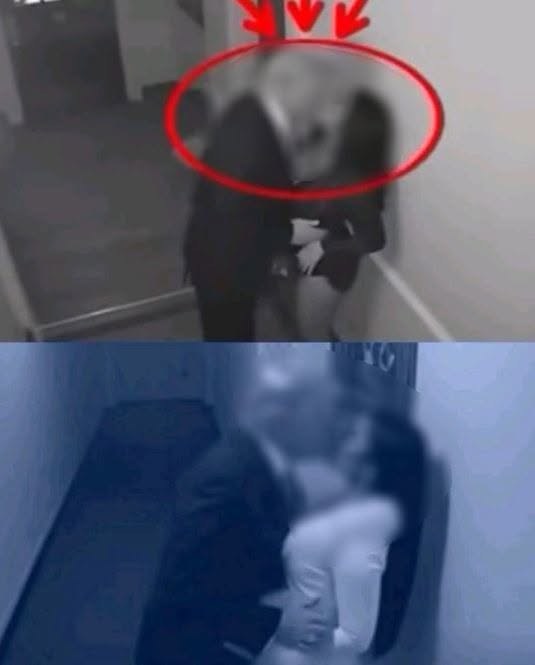
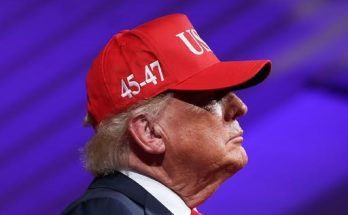
White House Scandal? Questions Grow Over Claims of a Leaked Donald Trump Video
A sensational headline claiming that a leaked video involving President Donald Trump has caused a new White House scandal has been circulating online, attracting attention from social-media users and prompting questions about what the footage actually contains.
The headline promises a dramatic revelation, but there is an important distinction between an online claim and a verified news report. At present, the specific video suggested by the headline has not been established as authentic through reliable reporting. That means readers should be cautious about assuming that the most sensational interpretation of the headline is accurate.
Claims involving secret recordings, leaked footage and public officials can spread extraordinarily quickly. A short clip or provocative caption may be shared thousands of times before journalists, investigators or independent fact-checkers have had an opportunity to establish its origin.
That pattern has become increasingly common in the digital media environment. A video can be genuine but presented without context, digitally altered, or completely fabricated. Even authentic footage can be misleading when an old recording is presented as something that happened recently.
The Trump White House has previously been at the center of controversies involving video, media coverage and the presentation of presidential events. In some cases, disagreements have focused not on whether footage exists, but on how recordings were edited, distributed or described.
One recent example involved a video connected to Trump and a Marine One departure. Questions were raised online about whether audio associated with footage had been altered or added. Such incidents demonstrate why viewers should examine the source of a dramatic video before accepting claims made in accompanying captions.
The distinction matters particularly when a headline uses phrases such as “leaked video,” “White House scandal” or “secret footage.” Those phrases are designed to create curiosity and urgency, but they do not establish what happened.
A legitimate leaked recording would normally require several questions to be answered.
Who recorded it?
When was it recorded?
Where was it recorded?
Has the original file been obtained?
Can the people appearing in the footage be identified?
Has the recording been independently authenticated?
Has the context been established?
And have reputable news organizations independently confirmed the circumstances surrounding it?
Without answers to those questions, viewers should avoid treating a viral clip as established fact.
Political videos are especially vulnerable to manipulation because audiences often already have strong opinions about the people involved. A clip that appears to confirm an existing belief can receive enormous attention before anyone examines whether it is authentic.
That phenomenon is not limited to Trump or to one political party. Videos involving politicians across the political spectrum can be clipped, edited or presented without context.
For that reason, the responsibility for verifying a dramatic claim falls partly on the person sharing it. Before reposting, viewers can look for the original source, search for independent coverage and check whether reputable news organizations have reported the same event.
Another warning sign is a headline that deliberately stops before revealing the supposedly shocking information.
“Donald Trump with…see more” is an example of a social-media format designed to encourage users to click. The missing words create curiosity while allowing the publisher to avoid making a complete claim in the headline itself.
This style is common in viral posts because curiosity can generate engagement. Users who want to discover the missing information may click through, comment or share the