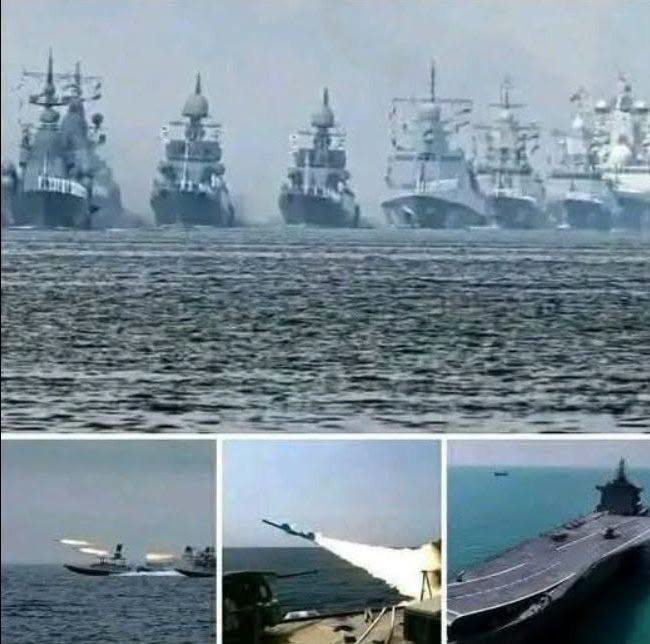
Latest News: The U.S. War and the Growing Crisis in the Middle East — See More
The headline “Latest News: US begins its war” has been circulating widely online, but the reality behind the dramatic wording is more complicated. The United States is already involved in an ongoing war with Iran, and the conflict has continued for months, with military strikes, threats, negotiations, and growing tensions around the strategically vital Strait of Hormuz. As of August 19, 2026, there is no need to describe the situation as a newly beginning American war: major combat operations began earlier this year, and the conflict has continued despite repeated diplomatic efforts.
The situation has become one of the most dangerous international crises of 2026. The United States and Iran have exchanged attacks, while the Strait of Hormuz has emerged as a central point of confrontation. The waterway is critically important to global energy markets because enormous quantities of oil and other energy products normally pass through it. Any prolonged disruption could affect shipping costs, fuel prices, businesses and consumers around the world.
The conflict began with major U.S.-Israeli military strikes against Iran on February 28, according to current reporting. Those attacks targeted military, government and infrastructure sites. What many observers initially expected to be a short campaign has instead developed into a prolonged confrontation approaching its six-month mark.
That duration is significant. Wars that were expected to end quickly can become much harder to control as military operations continue. Each additional strike creates the possibility of retaliation, and retaliation can create another response. The danger is that a conflict originally centered on specific objectives can gradually expand into a wider regional confrontation.
Diplomacy has not disappeared, however. The United States and Iran have held negotiations aimed at finding a way to end the conflict. According to current reporting, delegations entered negotiations in June, with discussions connected to the Strait of Hormuz and a possible broader agreement. But negotiations have repeatedly faced serious obstacles.
The Strait of Hormuz remains at the heart of the crisis. For Washington, maintaining secure shipping through the waterway is a major strategic priority. For Tehran, control over the area provides enormous leverage. The dispute therefore goes far beyond a single military confrontation. It involves energy security, international trade, regional alliances and the balance of power throughout the Middle East.
Recent developments have raised concerns that the conflict could become even wider. Iranian officials and military figures have warned Gulf states against helping the American military. At the same time, reports indicate that Tehran has considered possible attacks against U.S. military targets in parts of Europe if Washington escalates the conflict. Such developments demonstrate how quickly a regional war could create consequences far beyond the Middle East.
European countries are particularly concerned because the United States maintains military facilities and logistical infrastructure across the continent. Any attack against those facilities could force European governments to respond to a crisis that they did not necessarily choose to enter. NATO has also indicated that it is prepared to respond to threats against its members and military infrastructure.
The possibility of attacks beyond the Middle East is one reason officials continue to emphasize diplomacy. Once a conflict spreads across several countries and regions, controlling escalation becomes significantly more difficult.
Another major concern is the economic impact. The Strait of Hormuz is one of the world’s most important energy chokepoints. If shipping is restricted for a prolonged period, global markets can react quickly. Oil prices can rise, transportation becomes more expensive, and countries that depend heavily on imported energy can face additional economic pressure.
Ordinary families may feel the consequences even if they live thousands of miles away from the battlefield. Higher fuel prices can increase transportation costs, while more expensive energy can affect manufacturing, food distribution and household expenses. Businesses may also face higher insurance and shipping costs.
The conflict is therefore not simply a story about missiles, aircraft and military ships. It is also a story about the global economy and how closely connected modern countries have become.
There are also political consequences for the United States. President Donald Trump’s approach to the conflict has generated intense international attention. His administration has continued to pursue military pressure while also leaving the door open to negotiations. That combination of military force and diplomacy has created uncertainty about Washington’s ultimate objective and how long the conflict might continue.
The administration’s decisions are also affecting U.S. relationships with other countries. South Korea, for example, has recently experienced pressure connected to the Iran conflict and U.S. expectations regarding military cooperation. At the same time, Washington and Seoul have reduced the length and scope of their annual joint military exercises. The exercises were shortened from 11 days to five days, according to recent reporting.
That decision has attracted attention because South Korea remains an important American ally in Asia. Critics worry that reducing military cooperation could affect readiness, while supporters of the change argue that diplomacy with North Korea deserves greater attention.
North Korea has responded by saying that the reduced exercises remain provocative. The situation demonstrates how decisions made in connection with one conflict can influence security calculations thousands of miles away.
Meanwhile, the Middle East remains the immediate center of attention. Iran’s leadership continues to resist American demands while Washington maintains pressure. Neither side appears ready to simply surrender its position, making negotiations extremely difficult.
The most important question now is what happens next.
One possibility is that negotiations eventually produce an agreement that reduces military operations and restores safer passage through the Strait of Hormuz. Such an outcome would provide relief to international markets and reduce the danger of a broader regional war.
Another possibility is continued stalemate. In this scenario, neither side achieves a decisive victory, while attacks, threats and diplomatic negotiations continue for months. This could become increasingly costly for both countries.
The most dangerous possibility would be significant escalation. If attacks expand to additional countries, American bases, European military facilities or major energy infrastructure, the conflict could become much larger. Reports that Iran has considered possible strikes against U.S. military targets in Europe show why officials are watching developments so closely.
For the public, this means that dramatic social-media headlines should be treated carefully. A phrase such as “US begins its war” can create the impression that a completely new conflict has suddenly started. Current reporting shows instead that the United States and Iran are already involved in a prolonged war that began earlier this year and is now approaching six months.
The difference matters because accurate information is especially important during a major international crisis. Headlines designed to generate fear or clicks can easily leave readers confused about what has actually happened.
What is clear is that the war remains unresolved. Military pressure has not produced an easy conclusion, diplomacy has not yet delivered a lasting settlement, and the Strait of Hormuz remains a major flashpoint.
The world is now watching for signs of whether the next chapter will bring escalation or negotiations.
For millions of people, the hope is simple: that leaders on all sides recognize the enormous cost of allowing the conflict to grow. Wars can begin with a single decision, but ending them often requires patience, compromise and difficult diplomacy.
The coming weeks could therefore be crucial. If negotiations succeed, the region could begin moving toward stability. If they fail and military operations intensify, the consequences could extend far beyond the countries directly involved.
The headline may say, “US begins its war,” but the deeper story is about a war that has already begun, a diplomatic effort struggling to contain it, and a world waiting to see whether the conflict finally moves toward peace—or becomes something much larger.
See More