Bitten While Turkey Hunting Down South? Here’s What You Should Do
A turkey-hunting trip can take you deep into areas where insects, spiders, ticks, snakes, and other wildlife are common. If you were bitten while hunting and you are not completely sure what caused it, the safest approach is to treat the situation seriously until you can identify the source.
The first step is to move away from the area where the bite happened. Do not reach into brush, logs, holes, or vegetation trying to find the animal or insect. If the animal is still nearby, give it plenty of space. If it can be safely photographed from a distance, a picture may help a medical professional identify it, but you should never risk another bite trying to capture or handle it.
Clean the Bite Immediately
If the skin has been broken, wash the area thoroughly with soap and clean running water. Cleaning a bite promptly can reduce the chance of infection. For animal bites and scratches, CDC guidance emphasizes immediate wound cleaning and medical assessment when appropriate.
After cleaning, cover the area with a clean bandage if there is an open wound. Avoid putting dirt, leaves, tobacco, chemicals, or other homemade substances on the bite.
If the wound is bleeding, apply steady pressure with clean gauze or cloth. If bleeding will not stop after several minutes of direct pressure, seek emergency medical care.
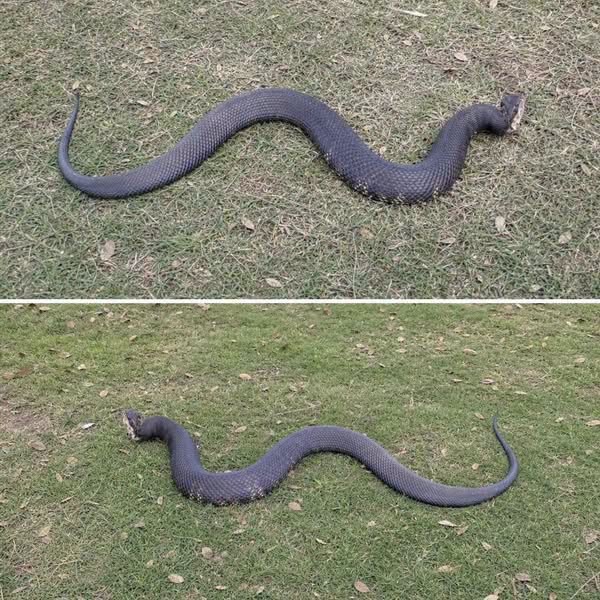
If You Think It Was a Snake
This is especially important while hunting in the southern United States. If there is any possibility that the bite came from a venomous snake, seek emergency medical attention immediately.
Do not attempt to catch or kill the snake. Try to remember its general size, color, and markings from a safe distance. A photograph can be useful only if you can obtain one without approaching the snake.
Stay as calm and still as possible and limit movement of the bitten limb. Remove rings, watches, or other tight jewelry before significant swelling develops. CDC guidance recommends washing the wound, covering it with a clean, dry bandage, and getting to a hospital as soon as possible.
Do not cut the wound, suck out venom, or apply a tourniquet. These actions can cause additional injury and are not recommended for suspected snakebites.
If you are alone in a remote hunting area, call emergency services or arrange transportation rather than trying to drive yourself if you are developing weakness, dizziness, swelling, breathing problems, or other concerning symptoms.
If It Looks Like an Insect Bite or Sting
If the bite appears mild and you are breathing normally, start by washing the area with soap and water. A cold cloth or wrapped ice pack can be applied for about 10 to 20 minutes to reduce pain and swelling. Elevating an affected arm or leg can also help with swelling.
For itching, over-the-counter options such as an antihistamine or hydrocortisone cream may provide relief, provided you can safely use those medicines. Follow the product directions and consider your existing medications and medical conditions.
However, don’t assume that every outdoor bite is harmless. Some spiders and other creatures can cause serious symptoms.
Mayo Clinic recommends immediate medical care for a suspected dangerous spider bite or when you are uncertain whether a spider could be dangerous. Increasing pain, a growing wound, significant discoloration, spreading swelling, severe stomach cramps, or difficulty breathing or swallowing are warning signs.
Watch for an Allergic Reaction
One of the biggest dangers following some insect stings is a severe allergic reaction called anaphylaxis.
Call emergency services immediately if you develop trouble breathing, swelling of the lips, face, eyelids, tongue, or throat, dizziness, fainting, widespread hives, a weak or rapid pulse, or severe nausea, vomiting, or diarrhea.
Do not wait to see whether these symptoms disappear on their own. Severe allergic reactions can progress quickly.
If you have previously been prescribed an epinephrine auto-injector for a serious allergy, use it according to your emergency plan and seek emergency medical care.
Don’t Forget Tetanus
Outdoor wounds can be contaminated with dirt, soil, saliva, or other material. Animal bites and puncture wounds are considered higher-risk wounds for tetanus exposure. CDC guidance recommends appropriate wound care and evaluation of vaccination status after these types of injuries.
If you cannot remember when you last received a tetanus vaccination, tell the healthcare professional. They can determine whether you need a booster or additional treatment.
What About Ticks?
Turkey hunting also means spending time in tall grass, brush, wooded areas, and leaf litter where ticks may be present.
Check your clothing and body carefully after leaving the hunting area. If you find a tick attached to your skin, remove it promptly with fine-tipped tweezers. Grasp the tick close to the skin and pull upward slowly and steadily. Do not twist, squeeze, burn, or cover the tick with petroleum jelly or other substances.
After removal, clean the bite area and your hands.
Watch for symptoms afterward and tell a healthcare professional about the tick exposure if you develop concerning symptoms such as fever, severe headache, rash, unusual weakness, or other illness.
If It Was a Mammal
If you were bitten by a raccoon, fox, bat, stray dog, cat, or another unfamiliar mammal, don’t dismiss the injury simply because it looks small.
Wash the wound immediately with soap and water and seek medical advice about rabies exposure. Rabies is preventable when appropriate post-exposure treatment is given before symptoms develop, but once symptoms begin, the disease is almost always fatal.
Even a small bite or scratch can matter. Bat bites can be particularly difficult to recognize because the marks may be tiny. If you had direct contact with a bat or woke up in a room with one, seek medical advice promptly.
Take a Picture and Record What Happened
If you’re safely away from the area, write down what you remember. Note the approximate time of the bite, where you were, what the animal or insect looked like, where on your body you were bitten, and what symptoms appeared afterward.
If possible, photograph the bite itself. Take another picture later if the swelling or discoloration changes. These photographs can help a healthcare professional determine whether the injury is getting worse.
Do not rely on social media comments to diagnose the bite. A picture can sometimes look similar to several completely different injuries, and identifying the exact cause may require professional evaluation.
When You Should Stop Hunting and Get Help
If the bite is from a suspected venomous animal, if the wound is deep, if bleeding won’t stop, if swelling is rapidly increasing, if you develop severe pain, fever, weakness, dizziness, vomiting, muscle cramps, trouble breathing, difficulty swallowing, or spreading redness, stop the hunt and seek medical attention.
Even an apparently minor bite can become infected. Increasing pain, warmth, swelling, pus, fever, or redness spreading away from the wound should be evaluated by a healthcare professional.
The most important thing is not figuring out exactly what bit you before getting help. Your immediate priorities are to get away from the animal, clean the wound, monitor your symptoms, and seek appropriate medical care when there is any possibility of a serious bite, venomous exposure, allergic reaction, infection, tetanus exposure, or rabies exposure.
If this happened to you right now and you are unsure what bit you, especially if you are still in the woods, tell someone where you are and contact emergency medical services or a nearby medical facility. Your safety matters more than finishing the hunt.