“Thank You, President Trump”: Why Supporters Are Reacting to His Latest Announcements
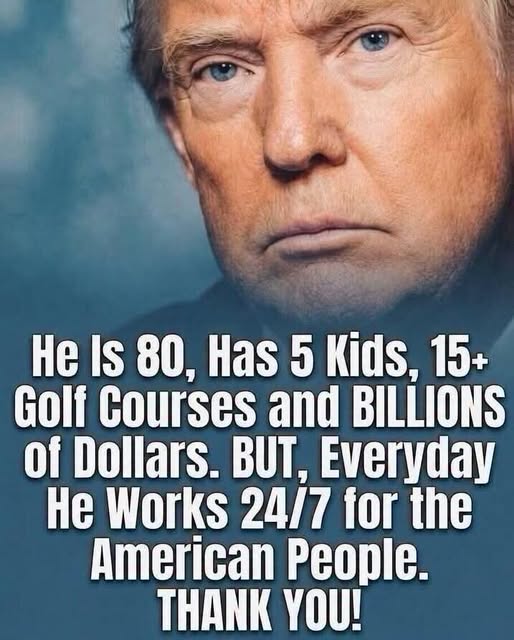
The phrase “Thank you, President Trump” has been appearing across social media as supporters react to a series of announcements and actions from the Trump administration. The latest developments include major changes involving prescription drug pricing, immigration policy, media access to the White House, and other areas of government policy.
One of the most significant announcements came on September 18, when President Donald Trump announced that all 50 state Medicaid programs would participate in a new drug-pricing model. According to the White House, the initiative is intended to bring Medicaid prescription-drug prices in line with prices paid in other developed countries.
The administration has described the initiative as an effort to reduce what it considers excessive prescription-drug costs. Under the model, participating pharmaceutical manufacturers would provide rebates on certain brand-name medications so that the final price paid by state Medicaid programs does not exceed the administration’s targeted “most-favored-nation” price.
The White House says the program covers hundreds of medications across major categories, including drugs used to treat cancer, diabetes and asthma. The administration has presented the policy as a major step toward reducing healthcare costs for millions of Americans who depend on Medicaid.
That announcement is one reason supporters have expressed appreciation for Trump’s administration. For people who have struggled with prescription costs, the possibility of lower prices can be an important issue regardless of broader political disagreements.
At the same time, the details of the program remain important. Lower prices negotiated through government programs do not automatically mean that every American will pay less for every medication. The impact will depend on which drugs are covered, how the agreements are implemented and how pharmaceutical companies participate.
Trump has also recently taken action concerning immigration and employment-based visas. The White House published a fact sheet on September 18 describing new measures intended to strengthen the administration’s oversight of the H-1B nonimmigrant visa program.
The administration says the changes are designed to increase program integrity and address concerns about how foreign workers are employed in the United States. Immigration policy has been one of the most prominent issues of Trump’s presidency, and supporters frequently cite his efforts to change immigration rules as an important reason for supporting his administration.
Another major development has involved the White House and the news media.
On September 18, Trump announced that CNN, MS NOW and Politico would be banned from the White House, accusing the outlets of repeatedly publishing what he characterized as false reporting. CBS News reported that the announcement was made by Trump on Truth Social.
The White House subsequently enforced the restrictions. CBS reported that two MS NOW staff members were turned away from the White House on Saturday morning, while other reports said CNN journalists were also denied entry.
The affected organizations have strongly objected to the decision. CNN said that journalists have a constitutional right to report from the White House without government interference, while other news organizations have similarly criticized the restrictions. Legal questions about the administration’s authority to exclude particular news organizations are likely to receive continued attention.
This dispute illustrates how quickly political developments can become part of the national conversation. Supporters of Trump have argued that the administration should not be required to provide special access to organizations they believe have treated the president unfairly. Critics, meanwhile, argue that restricting access because of unfavorable reporting raises serious First Amendment concerns.
Those competing arguments are likely to remain part of the debate surrounding Trump’s relationship with the press.
The president’s recent agenda also includes other economic and domestic-policy initiatives. The White House has highlighted actions involving energy, manufacturing, taxes, outdoor recreation and healthcare. On September 17, for example, the administration announced measures described as efforts to strengthen America’s hunting heritage and expand opportunities for outdoor recreation.
Trump supporters often view these announcements as evidence that the administration is pursuing the priorities it promised during the campaign. That helps explain why simple messages such as “Thank you, President Trump” can gain attention online. For supporters, the phrase can represent approval of a broader political agenda rather than one specific announcement.
However, individual policies can have complicated consequences, and their effects may take time to become clear. A presidential announcement can establish a policy direction without immediately changing conditions for every household. Implementation by federal agencies, states, courts, businesses and other institutions can determine what ultimately happens.
The recent Medicaid drug-pricing announcement is a good example. The administration has promoted potentially substantial savings, but independent observers have noted that the actual financial impact will depend on the details of the agreements and how they operate over time.
For Americans following the news, separating an announcement from its eventual results is therefore important. Presidential statements explain what an administration intends to accomplish, while regulations, court decisions, congressional action and implementation determine what ultimately becomes reality.
The reaction to Trump’s latest actions also demonstrates the highly polarized nature of American politics. Supporters can see the same announcement as evidence of decisive leadership, while opponents may focus on different consequences or constitutional concerns.
Neither reaction changes the underlying facts. Trump’s administration has announced a nationwide Medicaid drug-pricing initiative, introduced additional immigration-related measures, and imposed restrictions on access to the White House for several major news organizations. Those developments are now part of the public record and will continue to be debated.
For Trump’s supporters, however, the message remains straightforward: they believe the president is acting on issues that matter to them. Whether the subject is prescription prices, immigration, energy, economic policy or the relationship between the government and the press, they see his administration as actively pursuing its stated agenda.
That is the context behind the emotional phrase, “Thank you, President Trump.”
For some Americans, it is simply an expression of political support. For others, it is a reminder that the policies being announced from Washington have consequences that deserve close examination. As the administration’s initiatives move from announcements into implementation, the results will provide more concrete evidence of how these policies affect Americans, state governments, businesses and institutions.
The debate is unlikely to disappear anytime soon. Trump’s latest decisions have already generated strong reactions across the political spectrum, and additional announcements are expected as his administration continues its second-term agenda.
For now, the most important development is that several major policy changes have been announced within a short period. The coming months will show how those decisions translate from presidential announcements into measurable results—and whether the promised changes deliver the outcomes supporters are celebrating.