Broken Arrow Rejects Proposed Islamic Center: What Happened and Why the Decision Is Drawing Attention
A major zoning decision in Oklahoma has sparked a heated discussion about religious freedom, local government authority, neighborhood development, and the rights of religious communities.
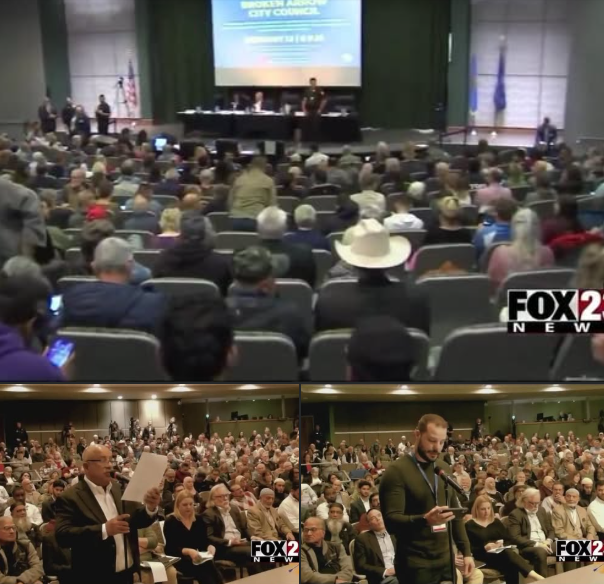
On January 12, 2026, the City Council of Broken Arrow voted 4-1 to reject a proposal from the Islamic Society of Tulsa to develop an Islamic center on approximately 15 acres of land in the city. The decision followed a lengthy public meeting attended by residents who expressed differing opinions about the proposed development.
The vote has attracted attention because the project involved more than a place of worship. It also raised questions about infrastructure, land use, community concerns, and whether religious organizations receive equal treatment under local zoning regulations.
However, the story did not end with the council’s decision. In July 2026, the U.S. Department of Justice announced an investigation into the city’s zoning and land-use practices, including the denial of the mosque proposal. That development has added another important dimension to the controversy.
What Was Being Proposed?
The Islamic Society of Tulsa sought permission to develop a multiuse Islamic center on property along South Olive Avenue, near the Creek Turnpike in Broken Arrow.
The organization had owned the land since 2014 and wanted to establish a larger facility to serve its community.
The proposed development included a substantial worship space and additional facilities. Plans described a building of approximately 42,000 square feet that would incorporate religious, commercial, and community-oriented uses, including retail space and a public clinic.
The organization explained that its existing facilities had become crowded and that additional space was needed to accommodate its growing community.
The application required changes to the property’s zoning classification and a conditional use permit allowing the proposed assembly use.
These requests placed the decision within the city’s development approval process, where officials consider whether proposed projects comply with applicable land-use requirements.
How the City Council Reached Its Decision
Before the council considered the application, the Broken Arrow Planning Commission reviewed the proposal and recommended approval, subject to conditions.
The matter subsequently reached the City Council, which held a special meeting on January 12.
The meeting attracted considerable public attention, with hundreds of residents attending. Participants expressed different views about whether the project should proceed.
Supporters emphasized the Islamic Society of Tulsa’s need for additional space and its interest in establishing a facility that could serve worshippers and the wider community.
Opponents raised concerns about development, traffic, infrastructure, and the suitability of the proposed location.
After hearing public comments and considering the application, the council voted 4-1 to deny the requested zoning change and conditional use permit.
The outcome differed from the Planning Commission’s recommendation, making the decision particularly significant for the applicant and the surrounding community.
Infrastructure and Land-Use Concerns
City officials said the denial was based on concerns about the property’s infrastructure requirements and the proposed development’s suitability for the site.
Issues surrounding grading, access, drainage, and the floodplain were among the practical matters discussed in connection with the project.
Such considerations can be relevant to development decisions involving large buildings and substantial numbers of visitors. Local governments generally have responsibilities concerning public safety, transportation, drainage, and the compatibility of proposed land uses with surrounding areas.
The city maintained that its decision was based on the facts presented during the approval process.
However, the Islamic Society of Tulsa disputed aspects of the decision and questioned whether its application had received fair consideration.
The organization also indicated that it was exploring legal options following the denial.
These competing accounts are important to distinguish: the city has described its decision as a land-use matter, while the applicant has raised concerns about the circumstances surrounding the rejection.
Why Religious Freedom Became Part of the Debate
The controversy also raises questions about religious freedom and equal treatment.
In the United States, religious organizations have legal protections when seeking to establish places of worship. At the same time, religious facilities may be subject to legitimate zoning and development requirements.
The challenge is determining whether those requirements are applied fairly and consistently.
A city may consider matters such as traffic, drainage, building design, and emergency access. However, religious land uses cannot simply be subjected to discriminatory treatment because of the faith being practiced.
The Islamic Society of Tulsa expressed disappointment with the council’s decision and raised concerns about the public discussion surrounding the project.
Some supporters of the proposal argued that Muslim residents should have the same opportunity as other religious communities to establish places of worship.
Meanwhile, opponents emphasized development-related concerns and argued that the application should be evaluated through the city’s normal procedures.
The disagreement illustrates why religious land-use disputes can become legally and socially complicated.
The Department of Justice Opens an Investigation
On July 17, 2026, Broken Arrow was informed that the U.S. Department of Justice had opened an investigation into the city’s zoning and land-use practices.
The investigation was announced publicly on July 28.
According to the city, the inquiry concerns how local zoning rules treat religious land uses, including the application for the proposed mosque.
The investigation is being conducted under the Religious Land Use and Institutionalized Persons Act of 2000, commonly known as RLUIPA.
That federal law provides protections against certain forms of discriminatory or burdensome treatment involving religious land use.
The city said its council and administration were cooperating with the investigation.
The announcement does not establish that Broken Arrow violated federal law. An investigation is a process for examining relevant facts and legal questions, not a final determination of wrongdoing.
Nevertheless, the federal inquiry means the controversy now extends beyond the original zoning vote and includes questions about how local development regulations are administered.
Oklahoma’s Attorney General Responds
The investigation also prompted a response from Oklahoma Attorney General Gentner Drummond.
On July 30, Drummond urged the Trump administration to halt or suspend the federal investigation, describing it as federal overreach and arguing that local land-use decisions should remain within the authority of local government.
His response demonstrates that the dispute involves questions about the relationship between municipal authority and federal protections for religious institutions.
Those questions will depend on the applicable law, the evidence examined, and the findings reached through the investigation.
At this stage, the existence of the inquiry should not be confused with a final legal conclusion about the city’s conduct.
What Happens Next?
The future of the proposed Islamic center remains connected to the zoning dispute and any legal steps the organization may pursue.
The Department of Justice’s investigation may examine whether the city’s treatment of religious land uses complied with federal law.
The city, meanwhile, has stated that it is participating in the inquiry.
Residents and religious communities will continue to watch developments because the outcome could have implications for how similar disputes are handled.
For the Islamic Society of Tulsa, the issue concerns its effort to establish a larger facility for worship and community activities.
For city officials, the matter involves their responsibilities in administering zoning regulations and addressing development concerns.
For the wider public, it raises questions about how local governments can balance legitimate land-use considerations with the legal protections afforded to religious communities.
A Debate That Goes Beyond One Building
The Broken Arrow decision is not simply a story about whether one construction project received approval.
It has become a broader discussion about community participation, religious liberty, municipal authority, and the consistent application of development rules.
People may disagree about the proposed center, its location, or the city’s decision. But understanding the dispute requires examining the actual proposal, the reasons given for the denial, the applicant’s response, and the subsequent federal investigation.
The January vote was a documented decision. The July investigation is also documented. Whether the city’s actions complied with all applicable legal requirements is a separate question that should be assessed through the relevant evidence and legal process.
What do you think about the Broken Arrow decision?
Should local governments have broad discretion over development proposals when infrastructure and land-use concerns arise? How should officials ensure that religious organizations receive equal treatment under zoning laws?
Share your thoughts respectfully in the comments. Understanding the different perspectives is an important part of discussing a complicated public issue.