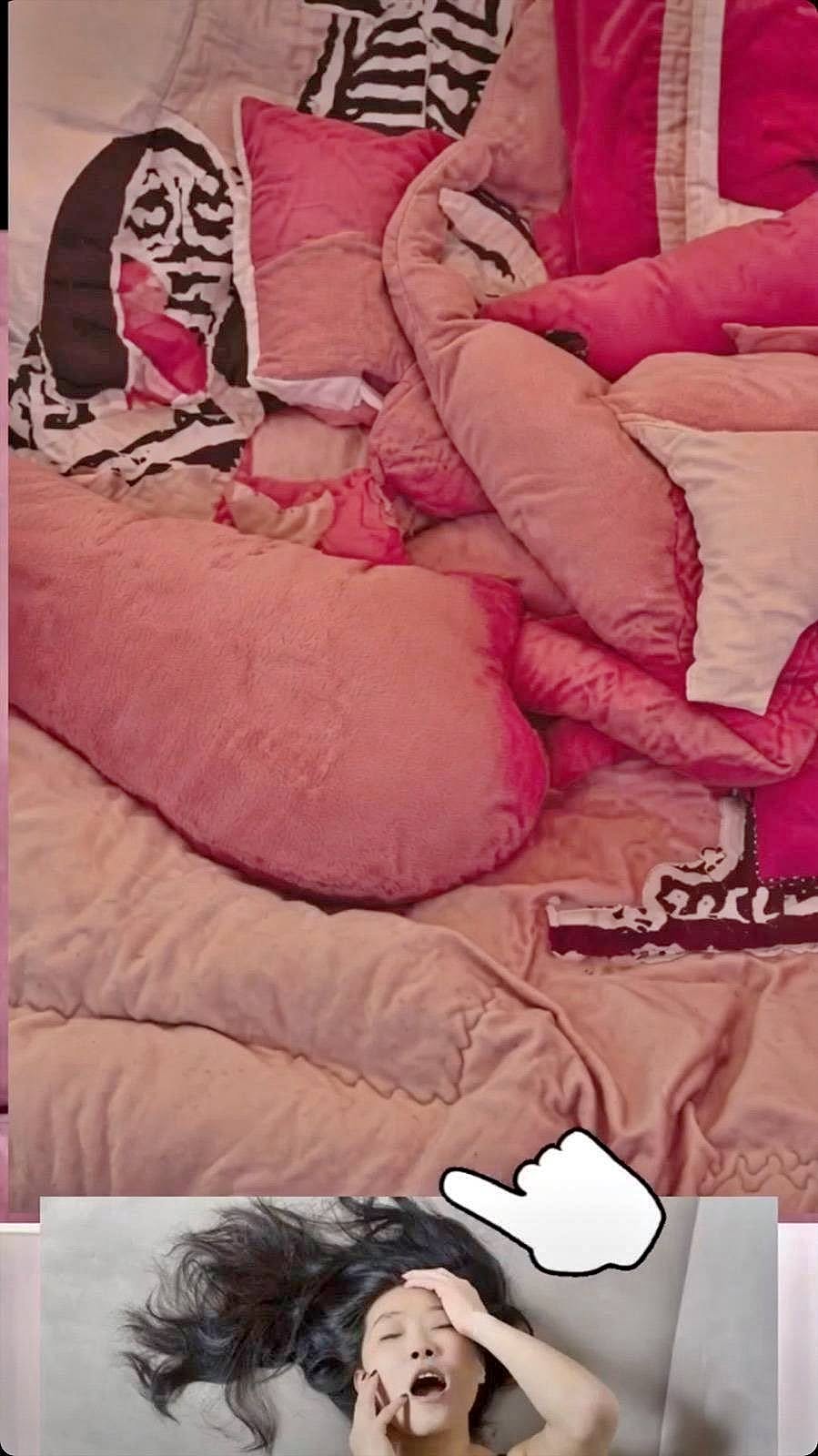
Insane Photos That Will Totally Mess With Your Mind — You Won’t Believe What You’re Seeing
Some photographs seem ordinary at first glance, but then you look again and suddenly realize that something is not quite right. A person appears to be floating, an animal seems to have an impossible shape, or an everyday scene creates an illusion that makes your brain struggle to understand what is happening. These are the kinds of images that can stop a casual scroll instantly and leave you staring at the screen, trying to figure out what you are actually seeing.
The fascinating thing about mind-bending photographs is that they usually do not require complicated technology or elaborate editing. Sometimes, the illusion is created by nothing more than timing, perspective, shadows, reflections, unusual angles, or two objects lining up perfectly. Your brain automatically tries to organize the picture into something familiar, and when the visual clues do not match, confusion takes over.
One classic example is the perfectly timed photograph. Imagine someone standing behind another person while holding an object at exactly the right height. In the finished picture, it can look as though the object belongs to the person in front. A similar trick happens when a photographer captures someone jumping at precisely the right moment, making them appear to float several feet above the ground. The image may look impossible, but the explanation is often surprisingly simple.
Perspective can be even more powerful. A road photographed from a certain angle can make a small object appear enormous, while a distant building can look as though it is sitting directly on someone’s head. When foreground and background objects line up, the photograph can create a visual relationship that does not exist in reality. Without moving around the scene or seeing the picture from another angle, the brain may accept the illusion as something real.
Reflections create another category of photographs that can be genuinely confusing. A window can mirror the sky so perfectly that the glass almost disappears. A puddle can reflect a building upside down, making it appear as though an entire second world exists beneath someone’s feet. In some cases, a reflection and the real scene blend together so smoothly that viewers cannot immediately tell where one ends and the other begins.
Animals are especially good at producing accidental optical illusions. A dog standing behind a fence can appear to have an unusually long body. Two cats sitting close together may look like one creature with too many legs. A horse positioned behind a person can create the strange impression that the animal’s head belongs to the human body. Nothing supernatural is happening; the camera simply captured two separate subjects in a way that makes them appear connected.
Architecture can also turn ordinary photographs into visual puzzles. Buildings with unusual windows, staircases, balconies, and geometric designs can create patterns that challenge our sense of depth. A staircase photographed from above might look as though it leads nowhere. A modern building covered in repeating glass panels can seem to bend or twist when viewed from the right position. The structure itself remains completely normal, but the photograph removes many of the visual clues that help us understand its shape.
Then there are photographs created by pure coincidence. A bird flying through the background may appear to be sitting on someone’s shoulder. A cloud may seem to form the outline of an animal. A passing airplane can line up perfectly with a person’s raised hand, creating the illusion that they are holding it. These moments are often impossible to recreate because they depend on timing measured in fractions of a second.
That is part of what makes these photographs so fascinating. Unlike carefully constructed movie effects, accidental visual illusions can feel completely authentic because they really happened in front of a camera. The photographer may not have known what was happening until the picture was reviewed later. Sometimes the person taking the photograph only realizes the illusion after friends or strangers point it out.
Lighting can make things even stranger. Strong sunlight can create shadows that appear disconnected from the objects casting them. Streetlights can stretch silhouettes across walls, while unusual indoor lighting can make familiar objects look completely different. When shadows overlap, they can form shapes that resemble people, animals, or objects that are nowhere in the scene.
Social media has made these images especially popular because they invite participation. A headline such as “Can you figure out what is happening here?” encourages viewers to stop scrolling and inspect every detail. People zoom in, rotate their phones, compare comments, and argue about what they think they are seeing. The mystery becomes part of the entertainment.
The best mind-bending photographs also remind us not to trust a single image too quickly. A photograph captures one tiny slice of reality from one particular position and one particular moment. It can leave out crucial information that would make the scene immediately understandable. That does not mean photographs are dishonest; it means every image has a perspective.
So, the next time you encounter a picture that looks completely impossible, take another look before deciding what you are seeing. Check the background. Follow the shadows. Look at reflections. Notice where objects overlap. Ask whether perspective could be changing the apparent size or position of something. Often, the answer is hiding in plain sight.
And sometimes, there may be no dramatic explanation at all. The image simply captured a wonderfully strange moment that happened once and may never happen again. That is what makes these photographs so entertaining. They turn ordinary life into a puzzle, challenge our assumptions, and prove that reality can look far stranger than fiction.
From perfectly timed coincidences to bizarre reflections and impossible-looking perspectives, these photographs demonstrate just how easily our eyes can be fooled. The next image might look ridiculous, mysterious, or completely unbelievable at first. But look closely. Somewhere inside the chaos is usually a tiny clue waiting to reveal the truth.