Multi-Vehicle Crash in Belleville Sends Nine to Hospital, Triggers Major Emergency Response
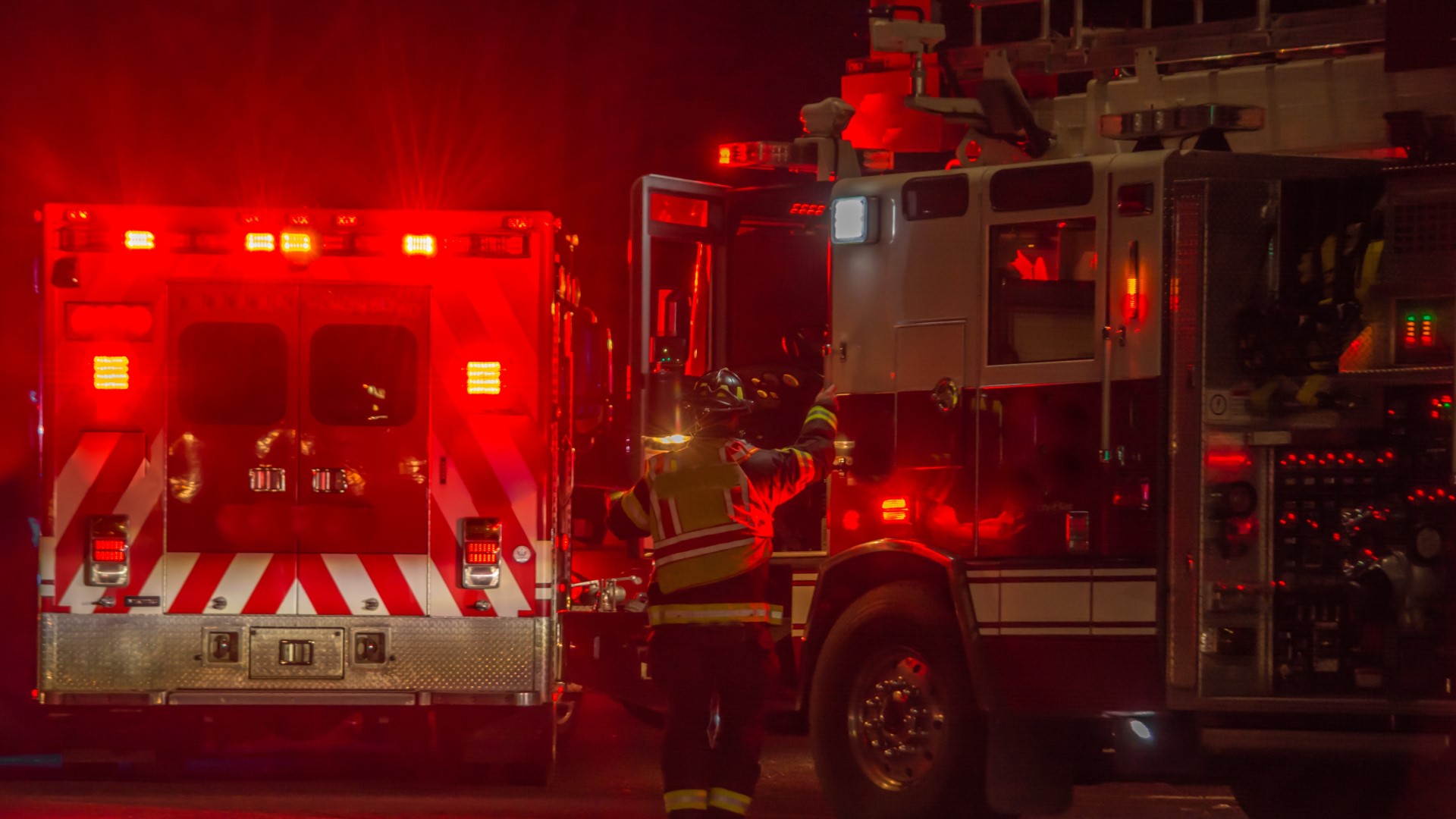
A serious multi-vehicle collision in Belleville brought traffic to a standstill and prompted a large-scale response from multiple emergency agencies after nine people were transported to local hospitals for treatment. The incident unfolded during a busy period of the day, drawing firefighters, police officers, emergency medical personnel, and traffic management crews to the scene as they worked together to rescue victims, investigate the cause, and restore normal traffic flow.
According to preliminary information released by local authorities, the crash involved several vehicles traveling along a heavily used roadway. Witnesses described hearing the sound of screeching tires followed by multiple loud impacts as the chain-reaction collision unfolded. Within moments, passing motorists stopped to assist while others called emergency dispatchers to report the incident.
Emergency crews arrived within minutes, quickly assessing the situation and establishing a secure perimeter around the damaged vehicles. Firefighters immediately began checking for occupants who might have been trapped inside their cars. Specialized rescue equipment was brought to the scene as crews worked carefully to stabilize damaged vehicles before helping injured individuals reach waiting ambulances.
Paramedics evaluated everyone involved in the collision, prioritizing patients based on the severity of their injuries. Nine people were ultimately transported to nearby hospitals for further medical evaluation and treatment. Officials have not publicly released details regarding the extent of the injuries, but authorities indicated that all patients received prompt medical attention.
Police officers temporarily closed portions of the roadway to allow emergency responders to work safely. Traffic quickly backed up in both directions as commuters sought alternate routes around the scene. Officers directed vehicles away from the affected area while transportation officials monitored congestion and adjusted traffic signals where possible to reduce delays.
Witnesses described a chaotic scene immediately after the collision. One nearby driver said they saw several vehicles come to a sudden stop before additional cars were unable to avoid the crash.
“It all happened so fast,” the witness explained. “There was a loud crash, then another one almost immediately afterward. People got out of their vehicles to check on each other while emergency crews were still on the way.”
Another bystander praised the actions of first responders, noting how quickly they organized rescue efforts despite the complexity of the incident.
“They knew exactly what needed to be done,” the witness said. “Everyone worked together, and you could see firefighters, paramedics, and police coordinating every step.”
Firefighters carefully inspected each damaged vehicle for potential hazards, including leaking fuel, damaged batteries, and unstable vehicle positions. Preventing secondary accidents is a critical part of emergency response following major roadway collisions, particularly when traffic remains heavy nearby.
Medical personnel established a treatment area where patients could be assessed before transportation to hospitals. Some individuals received care at the scene before being moved by ambulance, while others were evaluated for less serious injuries that nevertheless required additional medical observation.
Authorities have not yet confirmed exactly what caused the collision. Investigators will examine physical evidence from the roadway, including tire marks, vehicle damage, debris patterns, and any available surveillance or dashboard camera footage. Officers may also interview witnesses and the drivers involved to reconstruct the sequence of events leading up to the crash.
Traffic investigators often analyze factors such as weather conditions, visibility, road surface conditions, vehicle speeds, mechanical issues, and driver behavior when determining the cause of a multi-vehicle collision. At this stage, officials have urged the public not to speculate until the investigation has been completed.
Incidents involving multiple vehicles can quickly become complicated because investigators must determine how each collision occurred within the larger chain of events. Even a brief moment of reduced attention, sudden braking, or changing road conditions can contribute to a series of impacts affecting numerous vehicles.
Throughout the response, communication between emergency agencies remained essential. Police coordinated traffic control and secured the scene, firefighters addressed rescue and safety concerns, while emergency medical teams focused on patient care and transportation. Such coordinated responses are designed to minimize risks both to those directly involved and to the responding personnel.
Community members expressed concern for those injured and gratitude toward the first responders who managed the emergency. Messages of support quickly appeared on social media as local residents shared traffic updates and encouraged drivers to avoid the affected roadway while crews remained at work.
Transportation officials reminded motorists that slowing down near emergency scenes is both a legal requirement in many jurisdictions and an important safety measure. Secondary collisions frequently occur when approaching drivers become distracted by emergency activity rather than focusing on changing traffic conditions ahead.
Road safety experts also note that maintaining adequate following distance is one of the most effective ways to reduce the likelihood of chain-reaction crashes. Leaving additional space between vehicles provides drivers with valuable reaction time if traffic suddenly slows or stops.
As investigators continued documenting the scene, tow trucks removed heavily damaged vehicles one by one. Road maintenance crews then cleared debris, inspected guardrails and pavement for damage, and ensured the roadway could safely reopen once emergency operations concluded.
Hospitals receiving the injured coordinated with emergency responders to prepare for arriving patients. Healthcare professionals evaluated injuries ranging from possible fractures and soft tissue trauma to other conditions commonly associated with high-impact vehicle collisions. Officials have not released the identities of those involved, respecting patient privacy while notifying family members.
The incident serves as another reminder of the importance of defensive driving and remaining alert behind the wheel. Traffic conditions can change unexpectedly, particularly on busy roads where heavy traffic increases the risk of rear-end and chain-reaction crashes. Safety experts encourage drivers to avoid distractions, obey speed limits, and remain prepared for sudden changes in traffic flow.
Authorities are expected to continue their investigation over the coming days. Once evidence has been reviewed and witness statements analyzed, officials may release additional details regarding the circumstances surrounding the crash. Depending on the findings, investigators could determine whether weather, roadway conditions, mechanical failure, or human factors played a role in the incident.
For now, the focus remains on the recovery of the nine individuals who were hospitalized and on supporting everyone affected by the collision. Emergency responders, medical personnel, and investigators continue their work to ensure the circumstances surrounding the crash are fully understood while helping the community return to normal following a frightening and disruptive event.