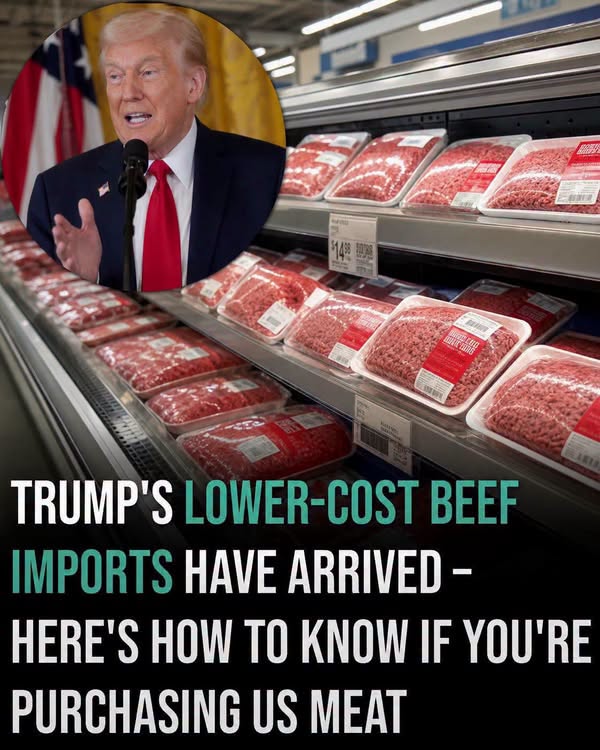
What Shoppers Need to Know Before Buying Their Next Package of Ground Beef
Walking through the meat section of a grocery store can seem straightforward until you start reading the labels on packages of ground beef. Words such as “ground chuck,” “lean,” “extra lean,” “grass-fed,” “organic,” and percentages like “80% lean” or “90% lean” can make an ordinary shopping decision surprisingly complicated.
For shoppers, understanding those labels can make it easier to choose ground beef based on taste, cooking method, fat content and personal preferences rather than simply picking the package with the most appealing wording.
One of the most important things to understand is the lean-to-fat ratio.
When a package says “80% lean, 20% fat,” the numbers refer to the proportion of lean meat and fat in the product. An 80/20 blend contains more fat than a 90/10 blend. That difference can have a noticeable effect when the beef is cooked.
Higher-fat ground beef generally produces a richer flavor and can remain juicier, making an 80/20 mixture popular for burgers. Leaner varieties can be useful when shoppers want less fat in a meal or are preparing dishes where excess grease is less desirable.
However, “leaner” does not automatically mean better.
The best ratio depends on what you are cooking.
For hamburgers, many cooks prefer ground beef with enough fat to provide moisture and flavor. For tacos, casseroles, sauces or stuffed vegetables, a leaner blend may be more convenient because there can be less grease to drain after cooking.
Another label shoppers may encounter is “ground chuck.”
Ground chuck comes from the chuck section of the beef carcass, generally located around the shoulder. Because chuck contains a useful balance of meat and fat, it is commonly used for ground beef.
“Ground round” and “ground sirloin” refer to beef originating from different parts of the animal. These products can differ in fat content, texture and price.
That means the word appearing before “ground beef” can provide useful information about the cut being used.
But shoppers should still look at the nutrition facts and package labeling rather than assuming that a particular cut always has exactly the same fat content.
Another potentially confusing term is “grass-fed.”
The phrase can describe how cattle were fed, but shoppers should read the complete label because different products can carry additional claims describing feeding practices. Some packages may specify that cattle were “grass-fed and grass-finished,” while others may use different wording.
Those distinctions can matter to consumers who specifically want beef from cattle raised under particular feeding practices.
Organic labeling is another category shoppers frequently encounter.
In the United States, meat labeled “organic” must meet requirements established under the USDA organic regulations. Organic production involves standards concerning how livestock are raised and what inputs may be used.
However, “organic” should not be confused with “grass-fed.” They describe different aspects of production.
Likewise, “natural” can be misunderstood.
On meat packaging, the USDA’s definition of “natural” relates to processing rather than providing a broad guarantee about how the animal was raised. A product can be labeled natural without being organic or grass-fed.
This is an important distinction because marketing language can sometimes make different claims appear interchangeable when they are not.
Another label worth examining is the USDA inspection information.
Commercial meat sold through regulated channels in the United States is subject to inspection requirements designed to help ensure that products meet federal standards. Inspection is different from grading.
USDA grading, when displayed, refers to characteristics such as quality and yield.
Consumers may recognize grades including Prime, Choice and Select. These grades relate primarily to characteristics such as marbling and expected eating quality.
Ground beef itself may not always display a familiar steak-style grade prominently, and the grading system should not be confused with food-safety inspection.
The package’s sell-by or use-by information can also be important, but shoppers should understand that date labels are not all identical.
Some dates communicate information to retailers or consumers about quality, while others may be associated with safety or recommended use. The exact meaning depends on the wording and applicable regulations.
Proper storage remains essential regardless of the date printed on the package.
Fresh ground beef is highly perishable because grinding increases the amount of surface area exposed to potential contamination. For that reason, shoppers should keep raw ground beef refrigerated and handle it carefully after bringing it home.
If it will not be used within the recommended refrigerated storage period, freezing can be a practical option.
Another detail shoppers should pay attention to is the package itself.
A package that is leaking, torn or damaged may not be a good choice. Consumers should also keep raw meat separate from ready-to-eat foods in their shopping carts and grocery bags to reduce the possibility of cross-contamination.
Once home, ground beef should be refrigerated promptly.
Food safety does not stop with purchasing the product. Cooking is equally important.
Ground beef should be cooked to a safe internal temperature, measured with a food thermometer. The USDA recommends cooking ground beef to 160°F (71°C). Color alone is not a reliable way to determine whether ground beef has reached a safe temperature.
That point is particularly important for burgers.
A burger can appear brown on the outside while still not having reached a safe internal temperature in the center. Conversely, some safely cooked meat can retain a little pink color.
A thermometer provides a much more dependable indication.
Shoppers may also notice packaging terms related to the beef’s fat content. These can influence both cooking behavior and nutrition.
When comparing two packages, looking at the Nutrition Facts panel can help consumers understand calories, total fat, saturated fat and protein per serving.
Portion size matters as well.
A package with a particular nutritional profile can contribute very different amounts of calories and fat depending on how much is actually eaten.
Price is another consideration.
Ground sirloin or specialty products may cost more than conventional ground beef. Whether the difference is worthwhile depends on what the shopper values and how the beef will be used.
For a large family meal, a conventional 80/20 or 85/15 package may be practical. Someone preparing a recipe that calls for lean beef may prefer a higher lean percentage. Someone specifically interested in production practices may choose an organic or grass-fed product.
There is no single label that is automatically the right choice for every shopper.
The key is knowing what each claim actually means.
Instead of focusing on the largest or most attractive words on the front of the package, consumers can turn the package over and examine the details. Check the lean-to-fat ratio. Read the ingredient statement if applicable. Look at the nutrition information. Check handling instructions and dates. Consider the production claims and whether they match your priorities.
Most importantly, remember that the label is only part of the equation.
Safe handling, refrigeration and proper cooking are essential regardless of whether the beef is conventional, organic, grass-fed, lean or extra lean.
The next time you stand in front of the ground beef section, those percentages and labels should no longer seem like confusing marketing language.
They are information that can help you make a more informed choice.
An 80/20 package may make sense for juicy burgers. A leaner package may work well for dishes where excess grease is inconvenient. A shopper interested in specific farming practices can look for the relevant certified claims. And anyone concerned about nutrition can compare the actual numbers on the Nutrition Facts panel.
The most important lesson is simple: don’t buy ground beef based on the front of the package alone.
Take a few seconds to read the label carefully.
Understanding those small words and numbers can help shoppers choose the product that fits their meal, budget and preferences—and handle it safely once it reaches the kitchen.